


Are you an Electronics Engineer ???
- Rahul Singh

- Mar 19, 2018
- 3 min read
The electronics engineering industry is responsible for some of the greatest technological inventions. However, this industry is primarily recognized for inventing telecommunication systems. Some inventions have played a critical role in shaping the modern world. Working in such a prestigious industry is a privilege for an electronics engineer.
In fact, electronics engineers need to get out of their comfort zone and acquire new skills to stay relevant.

Skills that are important :
Understanding of different Electronics components :
studying the internal specification of individual electronic components becomes important for better recognition and understanding of electronics devices.
It helps in understanding schematics which are the map to designing, building, and troubleshooting circuits. Understanding how to read and follow schematics is an important skill for any electronics engineer.

you can learns about components here : http://www.learnabout-electronics.org/
Art of Circuit designing :
Analog design is more of an art. There are various parameters that need to be taken care of but you can master them with a handful of tricks.
Experience is the best method for building your circuit design knowledge. Get involved in internships, college programs,hobby projects or anything else that will involve circuit design. Having said that, the majority of design today is tools based (e.g. not pen and paper RLC analysis) so a strong foundation in scripting and tools will be very advantageous if you're doing design work in the field.
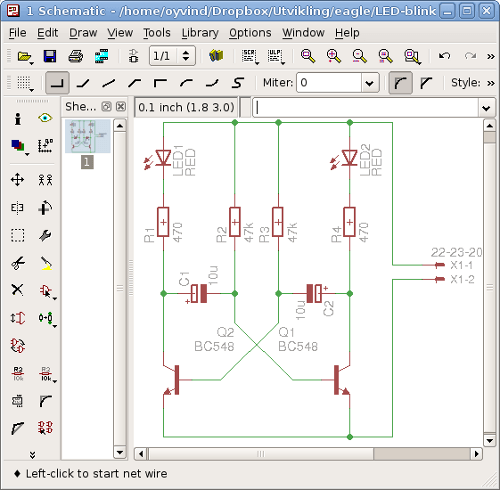
Tools that you can use to sharp your designing skill :
circuits.io, Eagle, Fritzing, Orcad .
Programming your circuits:
When it comes to programming embedded software, C/C++ remains the most popular. Currently C programming dominates electronics today because it alters the circuits quickly.
The popularity seems to be growing further extending into even chip programming.
In today's world, if electronics engineer doesn't know C programming in depth, that's going to be severe handicap in most of the areas except in power electronics. Even in power electronics embedded microcontroller is playing increasingly important role in digital control of power, sooner programming skills may become necessity in power electronics.
When it comes to microcontroller programming, assembly language is no more relevant except for 8051 basic programs or such low-end 8-bit microcontroller programs. C/C++ language is near hundred percent used in 32 bit MCU programming. ARM processor core knowledge and C language is becoming important factor in ECE's career.

Well this is about embedded software, when it comes to VLSI design, HDL programming is the basic. Though VHDL, Verilog and System Verilog is becoming popular, HDL is still a first step. The fluency in HDL coding is essential for a digital IC design engineer. In VLSI design, what is more important than coding is, a good understanding of core electronics, in depth understanding of how semiconductor device works? in depth understanding of how basic PN junction diode work? And in depth understanding of how a basic bipolar junction transistor work or a MOSFET work? Even more basic understanding of electrical energy.
VHDL is more descriptive and self-explanatory language but needs lot of typing. Verilog is more like C type syntax. System Verilog is even more advanced and is called as Hardware Description and Verification Language (HDVL). A step further now is another new method called UVM. Universal Verification Methodology (UVM) is an open source System Verilog library allowing creation of flexible, reusable verification components. Www.aldec.com is a good source to know various VLSI programming languages.

Learn C programming here.
Learn VHDL here.
Today Electronics can be divided into three parts Hardware - Fixed Circuits VLSI - Configurable Circuits Embedded - Programmable Circuits
Choose your battleGround.
Comments